The 10:14 A.M. Consensus: A Month of Robot Calls, Sorted by Hour
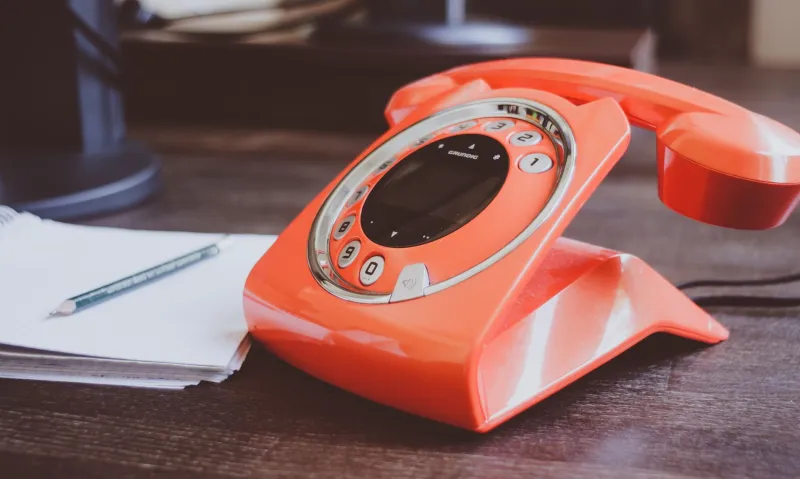
Somewhere between the third call about my vehicle's extended warranty and the fourth silent hang-up, I stopped treating my phone as a communication device and started treating it as a sensor. This October I ran a small experiment: route every inbound call through a cheap SIP trunk, log the metadata, and see whether a homegrown classifier could tell the dentist's office from a dialer farm. The answer was yes, mostly, but not for the reasons I expected.
The setup: a phone number with a logging habit
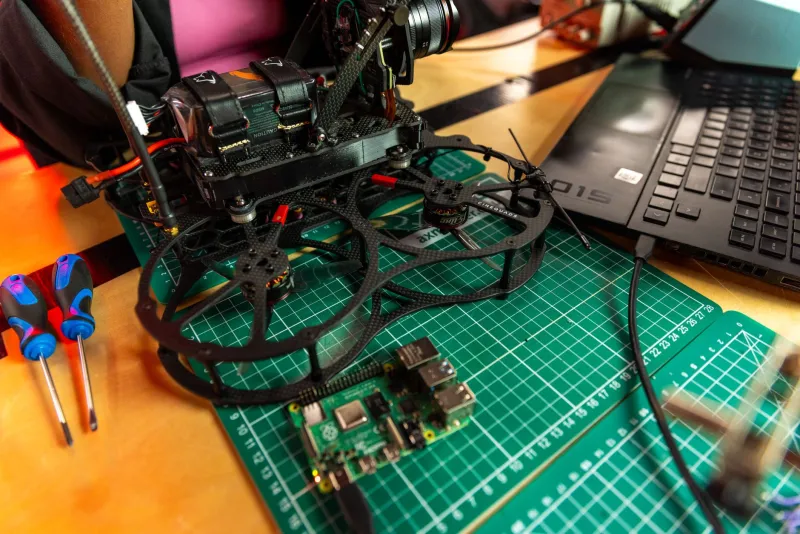
I ported an old number to a $6-a-month SIP trunk and pointed it at a Raspberry Pi running Asterisk. A tiny Python job pulled the call detail records into SQLite every few minutes. I did not record audio. That felt like the right line to draw for a hobby project, and it also kept the storage bill at zero. What I kept was timestamp, calling number, area code, duration, STIR/SHAKEN attestation value, and whether the call hit voicemail.
Over 31 days the line rang 812 times. That is about 26 rings a day, which sounds absurd until you remember that most of them lasted less than four seconds. I labeled the first 200 calls by answering them, letting voicemail take them, or checking against a short allowlist of numbers I actually know. After that I wrote rules. The whole classifier was about 200 lines of Python, and most of those lines were exceptions for the school nurse and the pharmacy.
What the headers know, and what they do not
STIR/SHAKEN gets talked about like a silver bullet. In practice it is a useful signal and a terrible solo act. Calls with full attestation, the A value, were usually legitimate. Calls with gateway attestation, C, or no header at all, were much more likely to be junk. But plenty of legitimate small businesses still show up as C because their calls hop through a gateway somewhere. My dentist is not a scammer. My dentist is just poorly attested.
The area code was even messier. A lot of robocalls spoofed a number in my own area code, which is the oldest trick in the book: make the call look local so you pick up. But local businesses do the same thing, honestly. After a week I could not use area code alone without blocking the people I wanted to hear from. That is the part the blocklist apps do not always explain. They are making a tradeoff on your behalf, and sometimes the tradeoff is your kid's school.
The Tuesday 10:14 problem
The strangest pattern showed up in the timestamps. Every Tuesday for four weeks, a call arrived at 10:14 a.m. The durations were 7, 11, 5, and 9 seconds. Different numbers each time. Same behavior. It was almost certainly one campaign cycling through caller IDs, and it had a schedule.
Once I saw that, I stopped looking at the numbers and started looking at the clock. The hour-of-day feature was embarrassingly predictive. Calls between 9 and 11 a.m. on weekdays were robots about 64 percent of the time. Calls between 5 and 7 p.m. were robots about 9 percent of the time. A call at 10:14 on a Tuesday was not literally always a robot, but it was close enough that I started greeting it by name.
Why would the hour matter so much? My guess is dialer throughput and time zones. Campaigns run in batches, and the batches line up with when people are likely to answer. The same robot calls at 10:14 because that is when the machine got to my number, not because anyone chose me. The uncomfortable finding was that the best predictor of a robocall was not the number at all. It was the hour.
The classifier was mostly a list of boring rules
The final classifier used four signals: attestation value, call duration, whether the number had called before, and the hour-of-day bucket. It flagged a call as likely robotic if it had C or missing attestation, lasted under eight seconds, and arrived during the weekday morning batch window. It also flagged repeat offenders by number and by a crude fingerprint of duration plus minute-of-hour. That last one caught the Tuesday caller even when the number changed.
I want to be clear that this is not a general-purpose robocall detector. It is a detector for my phone line, in my house, during one month. It knows my dentist's number. It does not know yours. But that is the point of a personal experiment. You get to tune the thing to your own life instead of accepting someone else's idea of who counts as a nuisance.
The blocklist did the unglamorous work
The classifier was fun. The blocklist is what actually reduced interruptions. I added confirmed robocall numbers and a few repeat prefixes to a SIP-level blocklist, kept an allowlist for family, work, the school, and two doctors' offices, and let the rest ring through to voicemail. Interruptions dropped from about 12.6 a day to 2.7 a day, a cut of roughly 78 percent. Not silent. Not perfect. But enough that I stopped flinching when the phone rang.
The remaining calls were interesting. Some were legitimate but poorly attested. Some were robots that had learned to wait longer than eight seconds before hanging up. One was a survey that I am still not sure was a robot, a human, or a very tired intern. The classifier got maybe 88 percent of the labeled calls right, which is good enough for a home phone and not good enough for anything that matters.
What I am keeping
I am keeping the logging. The dashboard is a small SQLite file and a one-page summary, and it takes less effort than the average smart-home gadget. I am also keeping the hour-of-day rule, because it turns out that time is a fingerprint. The robots have schedules. The humans have habits. The dentist calls in the afternoon. The warranty people call at 10:14 on Tuesday.
What I am not keeping is the fantasy that this solves robocalls. It solves my robocalls, for now. The next campaign will change its schedule, and I will update the rules. That is the deal with a personal data experiment: you do not get a permanent answer. You get a better question. Mine used to be, why is this number calling me? Now it is, why is this hour so popular?