Dipperstein Essays, experiments, and code from a working engineer

Dipperstein

Essays, experiments, and code from a working engineer

Latest Articles

When the Sun Is Your Sysadmin: Thirty Days of Off-Grid CI
Experiments

When the Sun Is Your Sysadmin: Thirty Days of Off-Grid CI

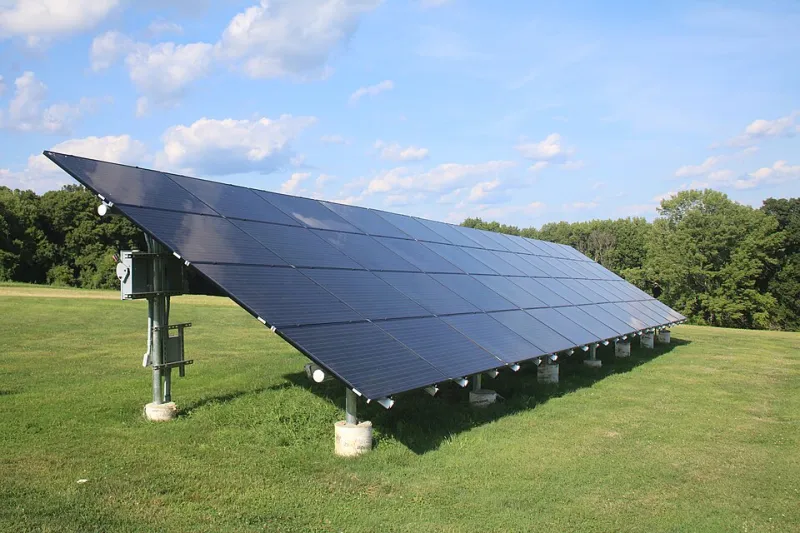
I moved my self-hosted CI runner onto a solar panel and a Raspberry Pi for a month. The builds were slower, the failures were stranger, and the lessons about queueing, backoff, and the carbon cost of free compute were worth every brownout.

One Star, Nine Names: A Resolver for Betelgeuse and for Your API
Deep Dives

One Star, Nine Names: A Resolver for Betelgeuse and for Your API

Betelgeuse answers to at least nine identifiers across the catalogs we've built over four centuries, and not one of them is the "real" one. I wrote a small resolver to stitch them together, then spent a week staring at what it taught me about primary keys, aliases, and deprecation in the software I ship.

My Code Reviews Were Mostly Vibes: A 2,300-Comment Autopsy
Experiments

My Code Reviews Were Mostly Vibes: A 2,300-Comment Autopsy

I pulled every code review comment I had left over several years and sorted them by what I was actually trying to accomplish. The results were less about bugs and more about my personality with a keyboard. Here is the dataset, the methodology mistakes, and the rubric I now use before I hit comment.

The Leap Second Is a Legacy System, So I Broke My Homelab on Purpose
Experiments

The Leap Second Is a Legacy System, So I Broke My Homelab on Purpose

I simulated a leap second across my home lab to see which assumptions snapped first. Cron jobs duplicated, logs arrived out of order, and one alert fired twice. The lesson: UTC is not a trustworthy API, it is a distributed system with sharp edges.

The Night Sky Has No Search Bar: A 2 A.M. Wayfinding Experiment
Experiments

The Night Sky Has No Search Bar: A 2 A.M. Wayfinding Experiment

The night sky is the oldest navigation system we have, and it works because it offers a few reliable landmarks and a lot of empty space. I spent two weeks opening apps at 2 a.m. to see how they compare. Most of them failed.

The Kettle, the Ladle, and the Compiler: A Soaking-Hot Tour of Type Strictness
Deep Dives

The Kettle, the Ladle, and the Compiler: A Soaking-Hot Tour of Type Strictness

I spent a week dipping things into hot water and thinking about type systems, and I'm only slightly sorry. Here's what a candy thermometer, a soup ladle, and a very cautious toe can teach you about JavaScript, TypeScript, and Rust.

My Well Pump Is the Worst Database I've Ever Administered
Deep Dives

My Well Pump Is the Worst Database I've Ever Administered

I strapped cheap sensors to a residential well in the Midwest and spent a year watching an aquifer do capacity planning with zero elasticity and no rollback. Turns out groundwater is just a database with a very unforgiving SLA. Here's the monitoring rig, the data, and what it taught me about provisioning everything else.

Before You Refactor That Monolith, Thank a 1947 Warehouse Manager
Experiments

Before You Refactor That Monolith, Thank a 1947 Warehouse Manager

The metaphor behind 'technical debt' didn't come from software — it came from postwar American logistics, and it's quietly steering your sprint planning. I traced the lineage, then ran a six-week experiment on my own repo to find out which debt payments actually compound.

The Big Dipper Doesn't Move, But My Tripod Sure Did: A Star Tracker Built Out of Junk Drawer Physics
Deep Dives

The Big Dipper Doesn't Move, But My Tripod Sure Did: A Star Tracker Built Out of Junk Drawer Physics

Armed with a $12 webcam, a 3D printer, and an unreasonable amount of confidence, I set out to build a star tracker that could find true north without a GPS chip. Here's what went right, what melted, and why the night sky is the most patient debugging partner I've ever had.

Burying a Library With Dignity: Confessions of an Open-Source Undertaker
Deep Dives

Burying a Library With Dignity: Confessions of an Open-Source Undertaker

I adopted a dependency with three users, two of whom were me, and spent six months figuring out how to give it a good death. Here's what I learned about code archaeology, writing migration docs for an audience of zero, and why a farewell release is a kindness, not a formality.

Open Mic Night at the Compiler: Why Programming Languages Act Like Local Music Scenes
Deep Dives

Open Mic Night at the Compiler: Why Programming Languages Act Like Local Music Scenes

Every language community has its house style, its gatekeepers, and its one-hit wonders — just like the local music scene. I spent months digging through forum archives and talking to developers to see whether 'scene dynamics' can actually predict which languages break big and which never leave the coffeehouse.

I Ghosted My Own Codebase for 90 Days: Notes From a One-Man Bus Factor Experiment
Experiments

I Ghosted My Own Codebase for 90 Days: Notes From a One-Man Bus Factor Experiment

I spent a weekend writing handover docs for a side project nobody else uses, then deliberately stopped touching it for three months. Here's what rotted, what survived, and the checklist I now run on everything I ship.

Your Living Room Is Talking Behind Your Back: A Packet-Capture Tour of the American Smart Home
Deep Dives

Your Living Room Is Talking Behind Your Back: A Packet-Capture Tour of the American Smart Home

I put a mirror port on my home network and logged every DNS query and packet my thermostat, TV, and light bulbs emitted for two weeks. The results, ranked by data volume, surprised me — and led to a firewall ruleset you can steal.

A Year of Release Notes From the Software Nobody Brags About
Experiments

A Year of Release Notes From the Software Nobody Brags About

For twelve months I read every changelog entry from a password manager, a PDF reader, a terminal emulator, a notes app, and a small database. What I found wasn't feature news — it was a working portrait of what software maintenance actually is, warts and all.

Every Millisecond Has a Price Tag: Running the Numbers on Slow Software
Deep Dives

Every Millisecond Has a Price Tag: Running the Numbers on Slow Software

I spent a month injecting artificial delays into my side project to find out exactly what slow responses cost. The numbers between 200ms and 2 seconds are starker than most engineering roadmaps admit — and the framework I built afterward tells you which endpoints are worth fixing.

We Log Every Request Except Our Own Lives: Notes on Personal Telemetry
Deep Dives

We Log Every Request Except Our Own Lives: Notes on Personal Telemetry

We instrument production to the millisecond but fly blind on our own habits and career choices. After six months of running a handful of personal counters and a Friday review, here's what the data actually changed — and what it didn't.

Ten Thousand Packages, Five Surprises: A Random Walk Through the npm Registry
Experiments

Ten Thousand Packages, Five Surprises: A Random Walk Through the npm Registry

I pulled a uniform random sample of 10,000 packages from the npm registry and ran five passes over the data, each one surfacing something I didn't expect. Full Python notebook included so you can rerun every dip against live registry data.

I Turned Myself Into a Dashboard for 30 Days and the Data Was Humbling
Experiments

I Turned Myself Into a Dashboard for 30 Days and the Data Was Humbling

I instrumented my own workday like production telemetry — commits, context switches, meeting load, coffee timing — and pointed Grafana at my life. The bottlenecks I found weren't the ones I would have guessed.

Design for the Engineer Who Got Woken Up: A Field Guide to 2 A.M.-Proof Systems
Deep Dives

Design for the Engineer Who Got Woken Up: A Field Guide to 2 A.M.-Proof Systems

Most of our best practices are written by well-rested people for well-rested people. This piece argues that the real quality gate is whether a sleep-deprived responder can make sense of your failure at 2 A.M. — with a checklist to test your own systems against.

Slow Code, Long Shadows: Rebuilding a 1960 Algorithm From a Scanned Paper
Deep Dives

Slow Code, Long Shadows: Rebuilding a 1960 Algorithm From a Scanned Paper

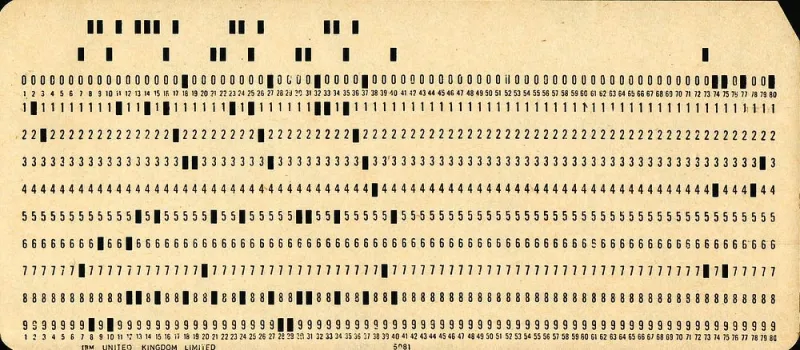
I found my grandfather's algorithm papers from Saarland and spent a month re-implementing one of them from scratch. What started as a sentimental project turned into the best argument I've made to myself against shipping fast and skimming shallow.